
Profound Alternatives
Compare alternatives to Profound by monitoring workflow, market coverage, reporting capabilities and plan requirements.

Start with the reason for switching
Profound is positioned around answer-engine intelligence and broader marketing workflows. Engine coverage depends on the plan. The public pricing page distinguishes ChatGPT-only Starter from broader tiers; do not infer entry-plan coverage from the full platform description.
Turn the reason for leaving into a testable requirement: a missing engine, a reporting limitation, a specific data export or a workload that no longer fits the plan. Keep the capabilities you use today in the comparison so a lower quote does not hide a functional loss.
Alternative workflows at a glance
| Alternative | Reason to evaluate | Question to resolve |
|---|---|---|
| Searcherries | Question-led AI visibility monitoring across markets | Confirm which engines, exports, historical data and project limits are included in your chosen plan. The public description is not a guarantee that every feature is included at every price. |
| Peec AI | Prompt tracking, source analysis and agency reporting | Verify the current plan and exact engine list, API access, connector availability and retention. Test brand aliases and source exports using your own data rather than relying on a dashboard screenshot. |
| Scrunch AI | Brand monitoring, product discovery and agent experience | Keep crawler visits, answer citations and shopper referrals separate. If evaluating the Agent Experience Platform, include your web team and assess the actual delivery changes in a controlled trial. |
| AthenaHQ | Monitoring and prescriptive content actions | Review the evidence behind recommendations, the supported locations and how changes are measured. An action recommendation is a hypothesis to test, not proof of a ranking effect. |
Explore the alternatives
Searcherries
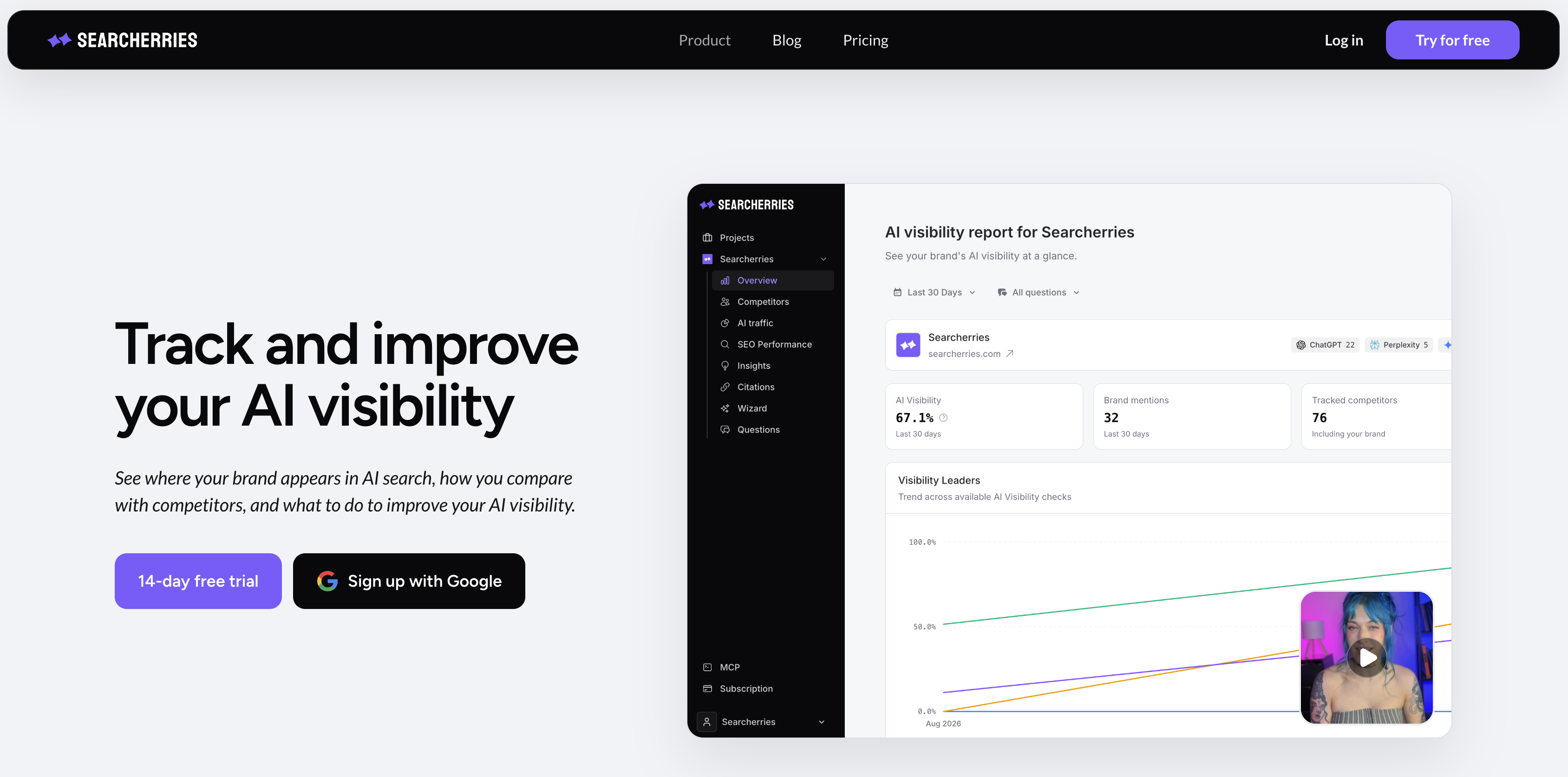
Searcherries tracks brand mentions, competitors, positions and cited URLs across major AI search platforms. Its public pages describe daily monitoring, customer-defined questions, country and language targeting, and connections to search and analytics data.
Evaluate Searcherries when you want to monitor a defined set of customer questions across selected countries and languages. Confirm that its engine coverage, reporting and project limits match your workload.
Check before buying: Confirm which engines, exports, historical data and project limits are included in your chosen plan. The public description is not a guarantee that every feature is included at every price.
Peec AI
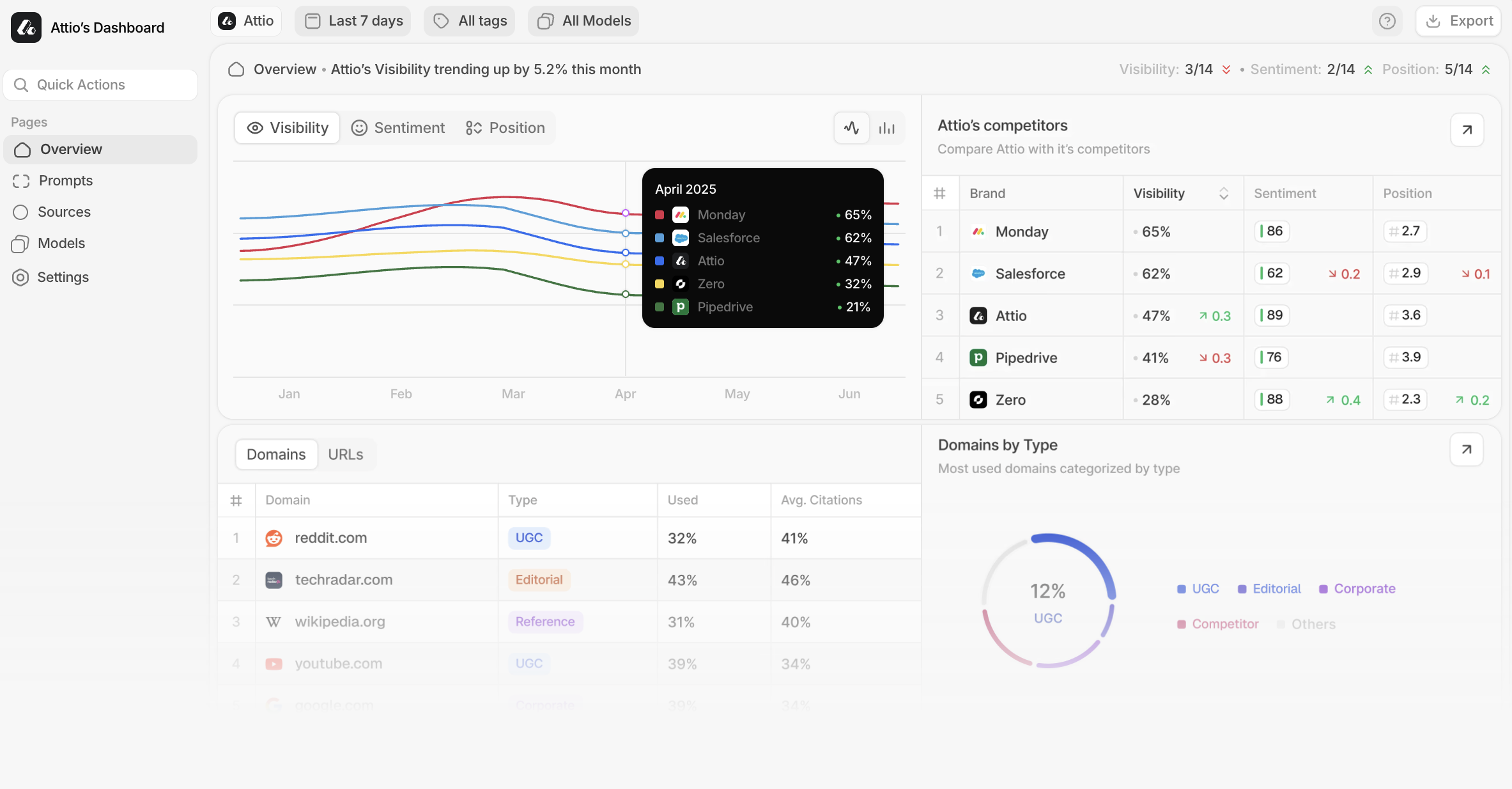
Peec AI describes visibility, position and sentiment as separate metrics. Its workflow covers custom prompts, competitor brands and citation sources; its agency material also describes client reporting and data connections.
Consider Peec when the recurring task is explaining changes across a stable prompt set. Bring a sample client report and check whether you can reproduce its topic groups, filters and underlying evidence.
Check before buying: Verify the current plan and exact engine list, API access, connector availability and retention. Test brand aliases and source exports using your own data rather than relying on a dashboard screenshot.
Scrunch AI
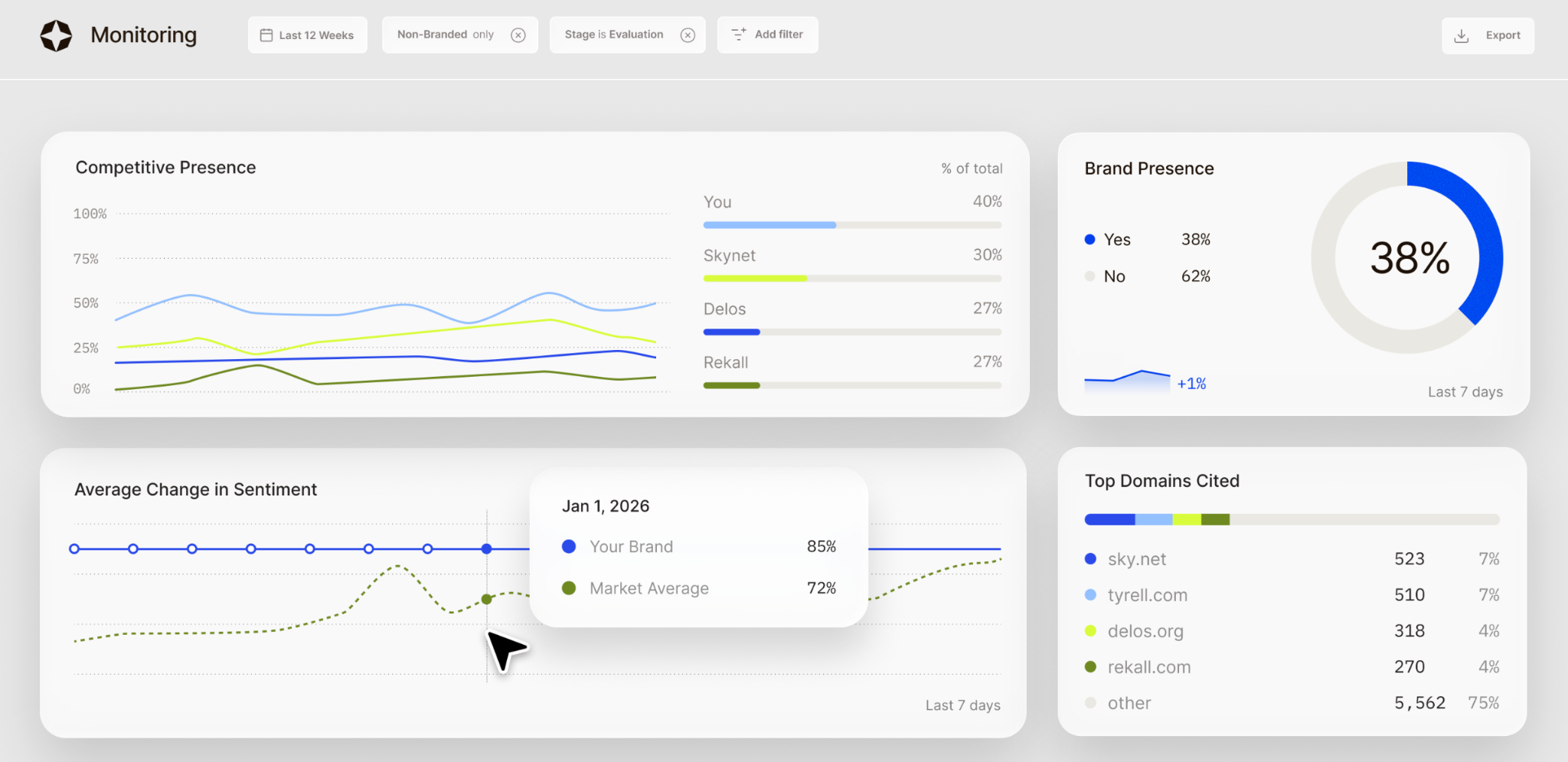
Scrunch describes monitoring for prompts, topics and entities, with citation analysis and AI crawler traffic. It also offers a shopping workflow that distinguishes product visibility from the retailers receiving links.
Evaluate Scrunch when product discovery and technical access are part of the same program. Use a product sold by several retailers to see whether the reports distinguish brand, item and destination.
Check before buying: Keep crawler visits, answer citations and shopper referrals separate. If evaluating the Agent Experience Platform, include your web team and assess the actual delivery changes in a controlled trial.
AthenaHQ
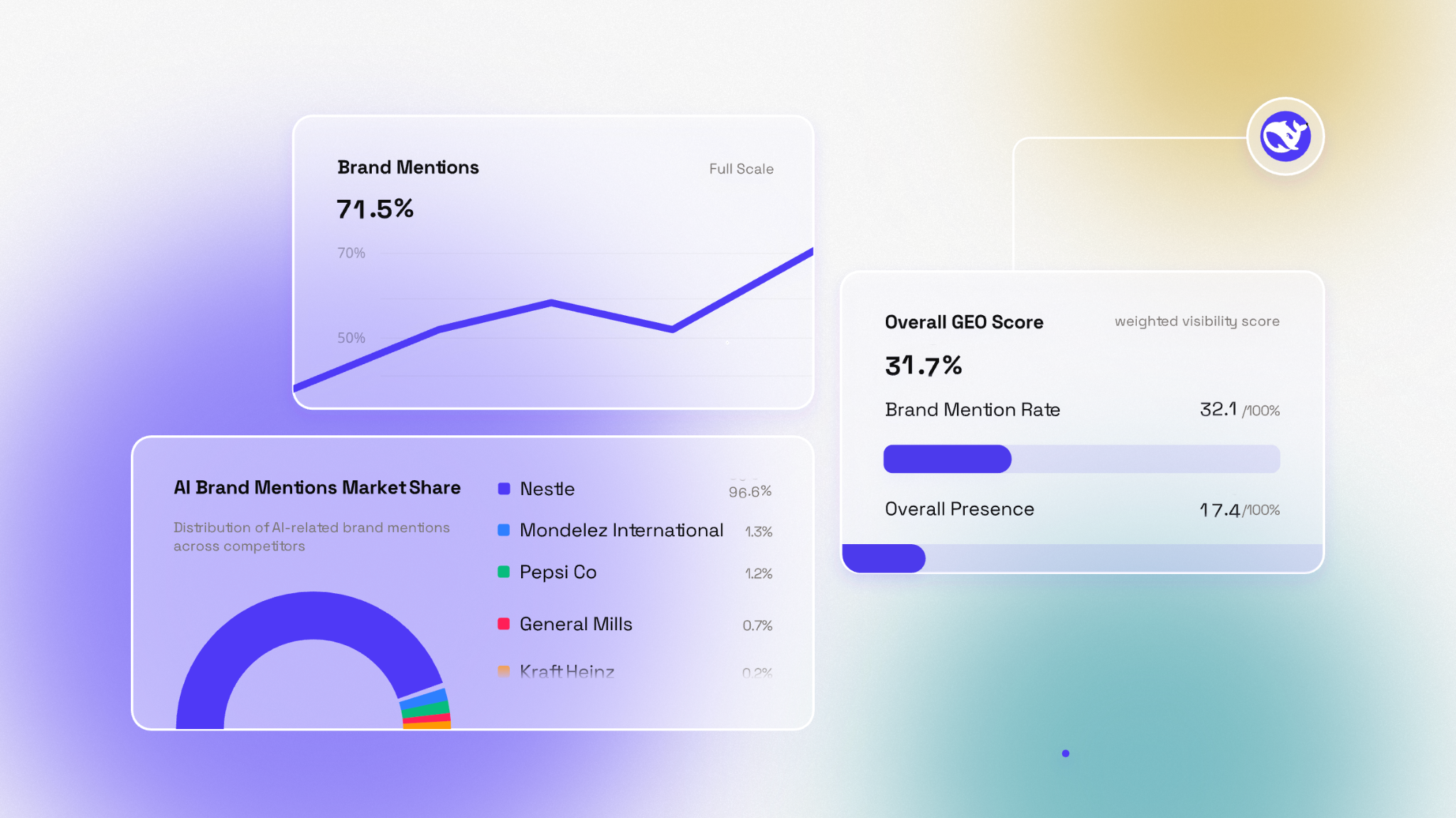
AthenaHQ positions its platform around tracking brand appearances, competitive intelligence and actions for improving AI search presence. Its product description also includes detection of inaccurate brand information and content-oriented workflows.
Consider AthenaHQ when you need an operational queue alongside measurement. Ask the team to demonstrate how a recommendation becomes an assigned action and how completion is evaluated.
Check before buying: Review the evidence behind recommendations, the supported locations and how changes are measured. An action recommendation is a hypothesis to test, not proof of a ranking effect.
Before moving your monitoring history
Export your prompt set, tags, brand aliases, competitor list and raw evidence before changing subscriptions. Run a short overlap on the same questions and compare collection settings and definitions. If the metric changes, document a new baseline instead of joining incompatible scores into a continuous trend.
Explore alternative platforms and compare budget-focused options.
Sources and review context
Public product information reviewed September 6, 2026. Product descriptions are vendor claims; evaluation recommendations are editorial judgments.
- Profound: Platform
- Profound: Plans and engine limits
- Searcherries: Product and trial information
- Searcherries: Plans and current limits
- Peec AI: Product and metrics
- Peec AI: Agency workflows
- Peec AI: Pricing
- Scrunch AI: Platform
- Scrunch AI: Shopping and retailer analysis
- AthenaHQ: Platform
- AthenaHQ: Enterprise workflows
Continue your research
Profound vs Searcherries: Features, Pricing and Fit
Compare Profound and Searcherries on platform scope, monitoring evidence and total plan requirements for your team.
Alternatives
Explore alternatives to leading AI visibility platforms by comparing monitoring workflows, reporting, market coverage and plan requirements.
Affordable AI Visibility Tools: Compare the Real Cost
An affordable tracker covers a useful monitoring workload at a sustainable total cost. Compare prompts, engine add-ons, repeated runs and client accounts together rather than sorting only by the starting price.