
Best AI Visibility ToolsFind the right fit for your team.
Compare 11 platforms for tracking brand mentions, citations, and competitors in AI search. Start with your use case, then check the details that matter.

A shortlist for your workflow
Start with the job you need the software to do. These are editorial picks by use case; the comparison below covers every platform.
Searcherries
Track customer questions, competitors, and citations across your target markets.
Explore our top pick Enterprise analyticsProfound
Explore answer-engine data with a team ready to work with deeper analysis.
View overview Focused monitoringPeec AI
Follow prompts and competitor visibility in a dedicated reporting workflow.
View overview Content workflowsWritesonic
Connect visibility monitoring with content production and optimization.
View overviewOur best overall AI visibility tool for small and local businesses is Searcherries. Check the engine coverage and limits of the plan against the questions and markets you want to track.
Compare all 11 platforms
| Tool | Best for | What to check |
|---|---|---|
| Searcherries | Small and local businesses tracking customer questions by market | Engine coverage, citation data, reporting workflow |
| Ahrefs | SEO teams already using Ahrefs | Prompt database depth and total subscription cost |
| AIclicks | Affordable tracking with practical recommendations | Platform limits, prompt volume, and client reporting needs |
| AthenaHQ | Conversational AI visibility analysis | Credit usage, workflow fit, and attribution needs |
| Brandlight | Enterprise brand intelligence and governance | Scope, onboarding, data governance, and enterprise fit |
| Otterly AI | Affordable AI search monitoring | Prompt limits, refresh cadence, model add-ons |
| Peec AI | Prompt monitoring and competitor benchmarks | Included engines, add-on costs, export needs |
| Profound | Enterprise answer-engine analytics | Budget, data depth, analyst resources |
| Scrunch AI | Agent readiness, AI crawler behavior, and brand accuracy | Technical setup, governance needs, and enterprise fit |
| Semrush | SEO teams already using Semrush | Per-domain cost and SEO workflow fit |
| Writesonic | Content teams that need execution | Whether recommendations fit your content workflow |
AI Visibility Tools to Compare
Searcherries
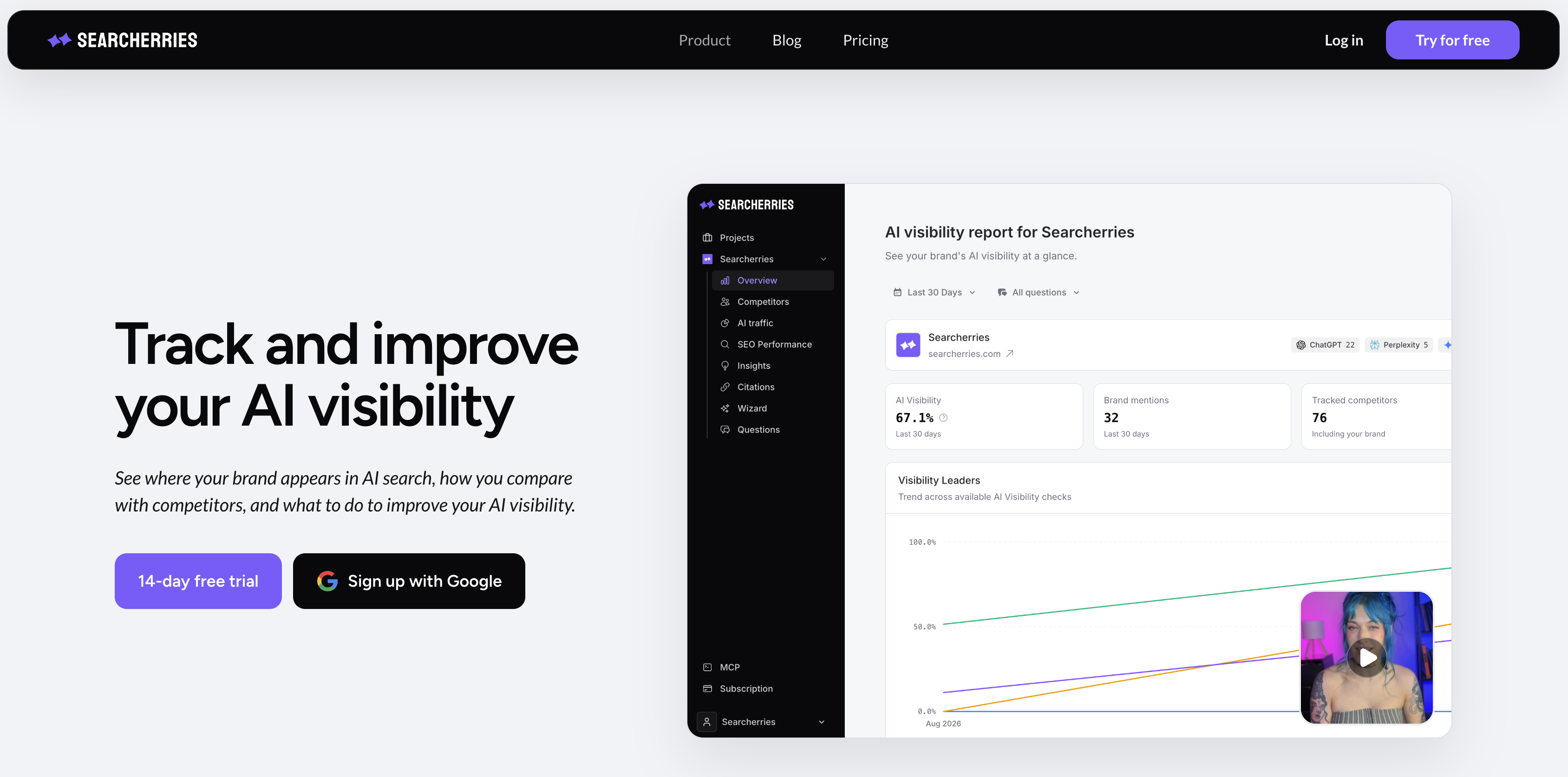
Searcherries tracks brand mentions, competitors, positions, and cited URLs across major AI search platforms. Its public pages describe customer-defined questions, country and language targeting, and connections to search and analytics data.
Evaluate it with the same questions and markets used for other candidates, and confirm current engine coverage, reporting options, historical data, and project limits in the plan you are considering.
Best for: small and local businesses that want to monitor a defined set of customer questions across selected countries and languages.
Ahrefs Brand Radar
Ahrefs Brand Radar is useful for teams that already rely on Ahrefs data. It connects AI brand monitoring with a large SEO and backlink dataset, which can help identify emerging topics, competitor mentions, and prompt-level opportunities.
Its strongest advantage is the search data around prompts, citations, and demand signals. The cost is the main factor to review, especially if full AI platform coverage is added to an existing Ahrefs subscription.
Best for: SEO teams and agencies that already use Ahrefs and want AI visibility layered into that data environment.
AIclicks
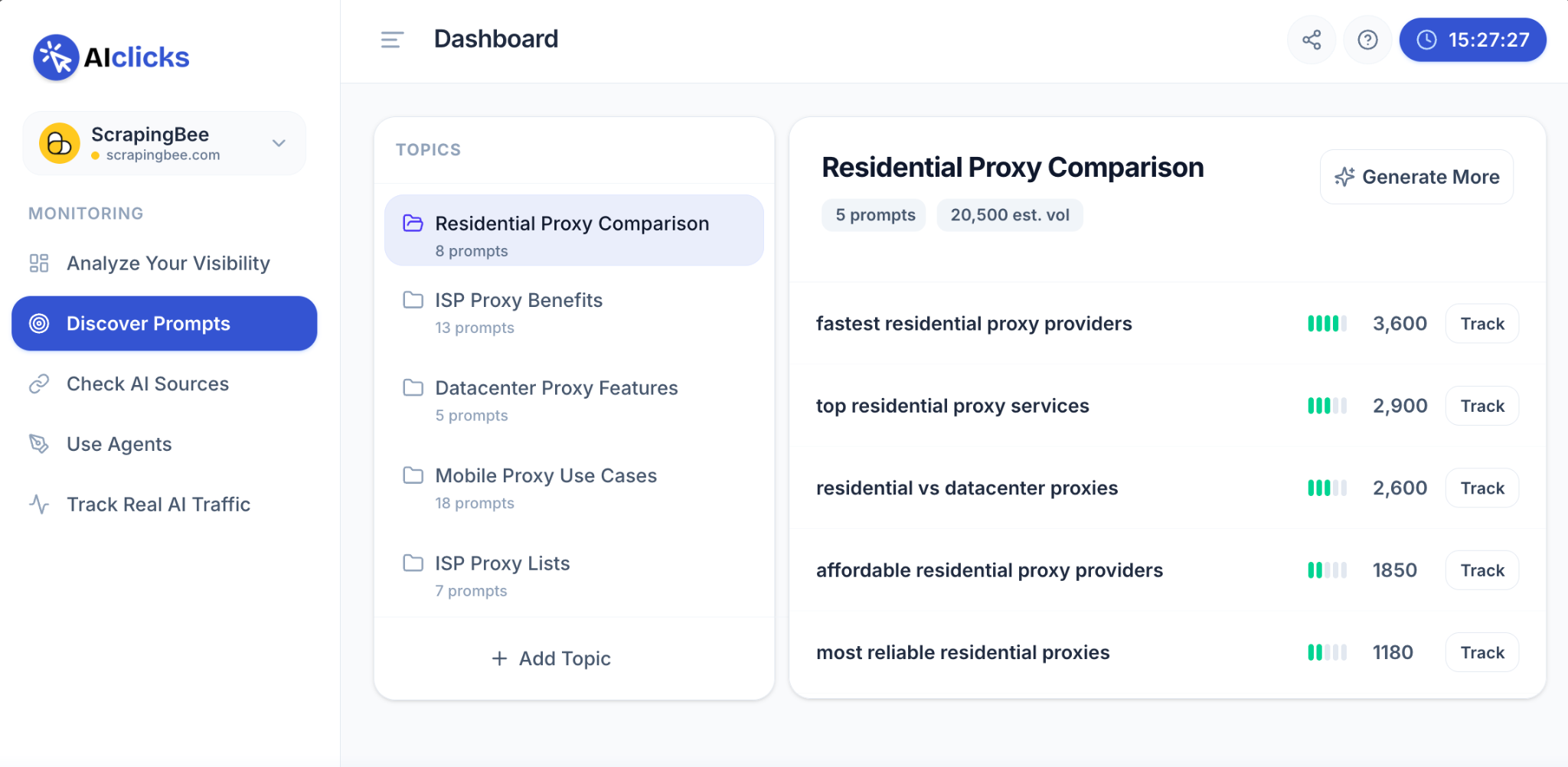
AIclicks is a budget-friendly tracker for teams that want visibility data with action recommendations. It is useful when a small team needs concrete next steps around content, sources, and communities without adopting an enterprise platform.
The main caveat is scale. Entry plans can come with platform or prompt limits, so validate coverage before using it for client reporting or a larger in-house program.
Best for: smaller teams that want affordable AI visibility tracking with practical recommendations.
AthenaHQ
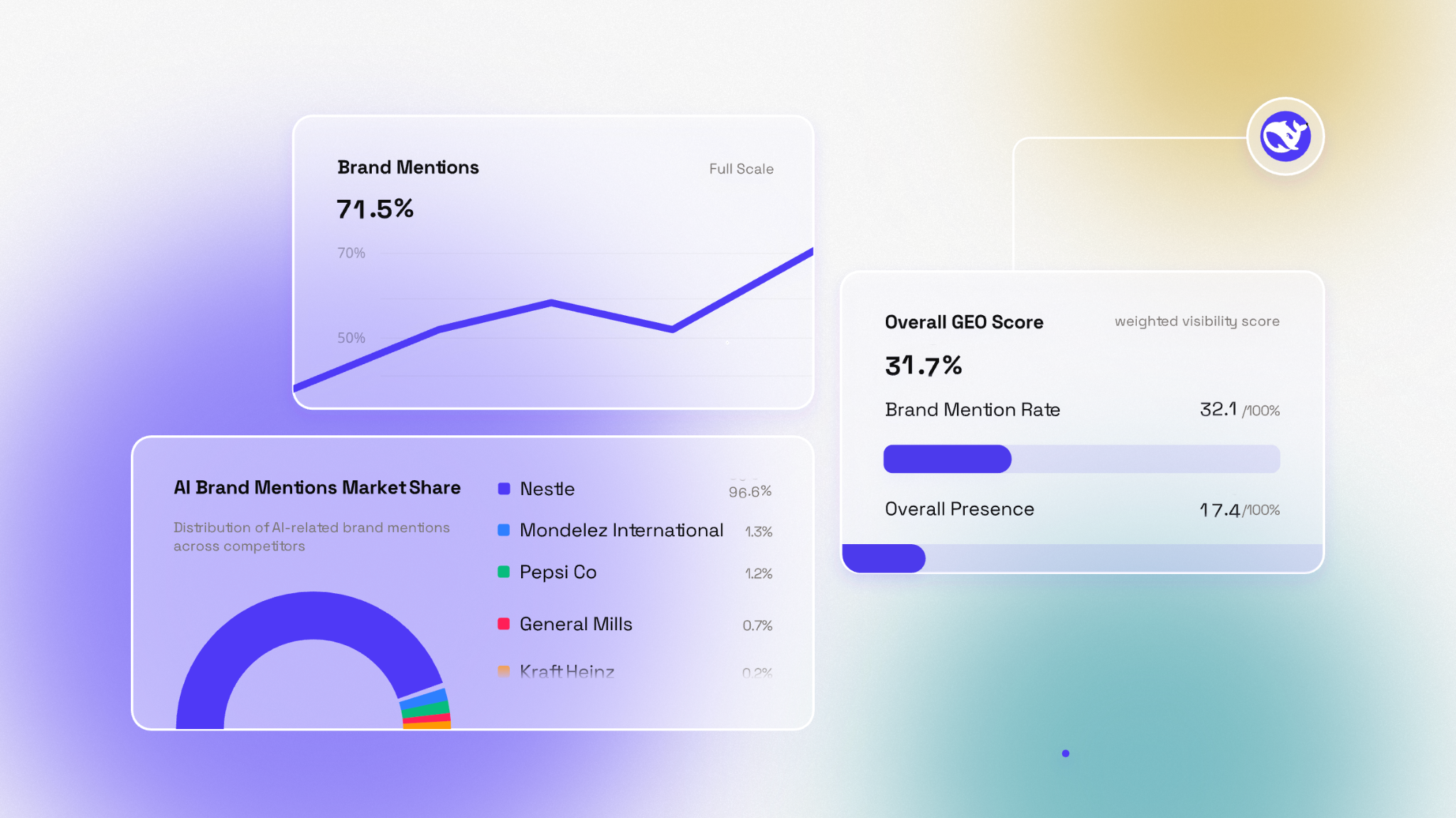
AthenaHQ is built for growth teams that want visibility tracking plus an action layer. It tends to appeal to teams that need prompt monitoring, competitor analysis, citation intelligence, and content recommendations tied to business outcomes.
The assistant-style analysis can help managers ask quick questions of the data, but recommendations should still be reviewed before major content or messaging changes.
Best for: mid-market teams that want AI visibility data connected to content and growth workflows.
Brandlight
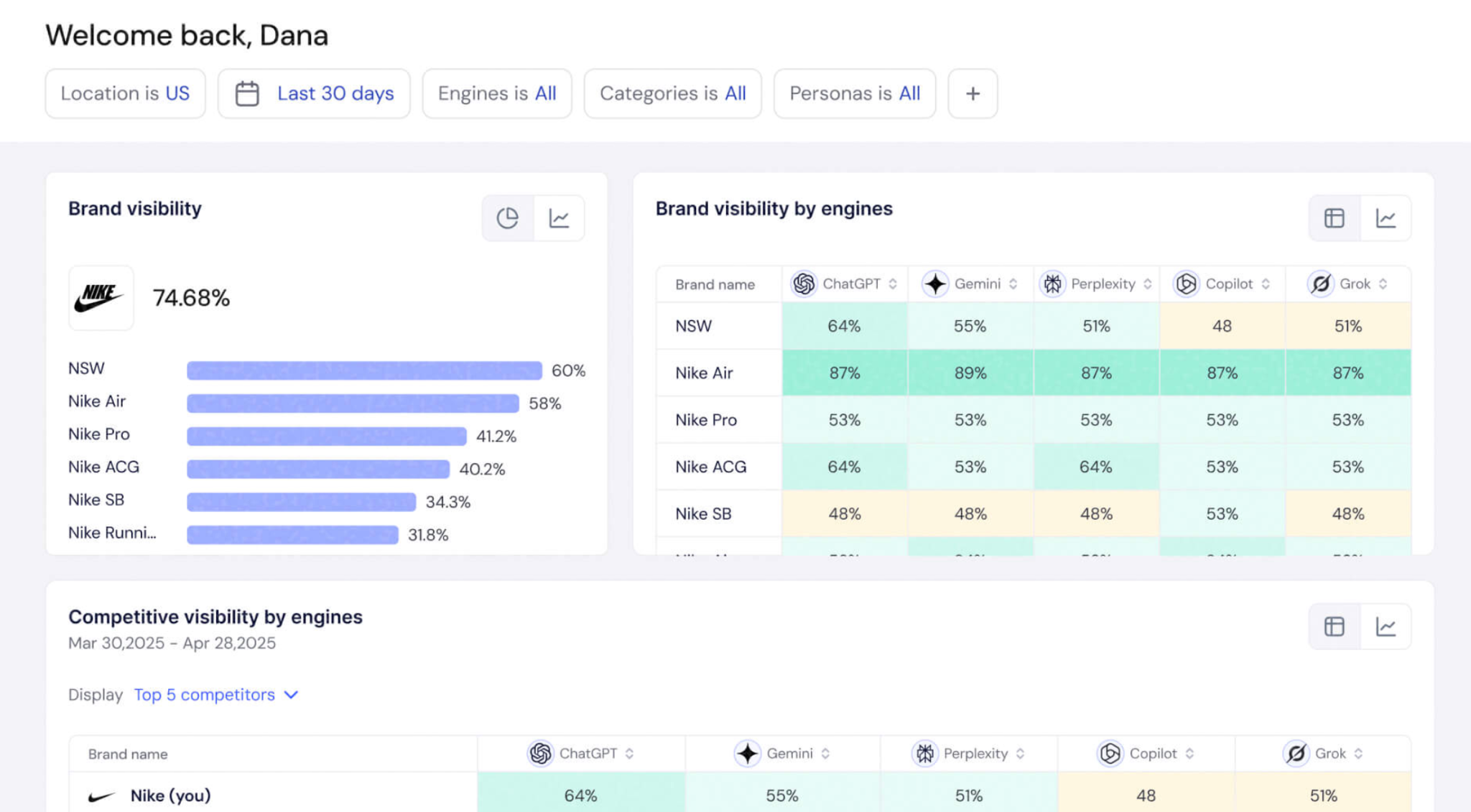
Brandlight belongs in the enterprise tier of AI visibility tools. It is aimed at teams where answer-engine visibility touches brand, media, partnerships, security, and governance rather than only prompt tracking.
It is best evaluated by larger organizations that need a broader view of how AI systems represent the company across sources and channels. Smaller teams will usually find it heavier than they need.
Best for: enterprise brand, media, and partnership teams that need broad AI visibility intelligence.
Otterly AI
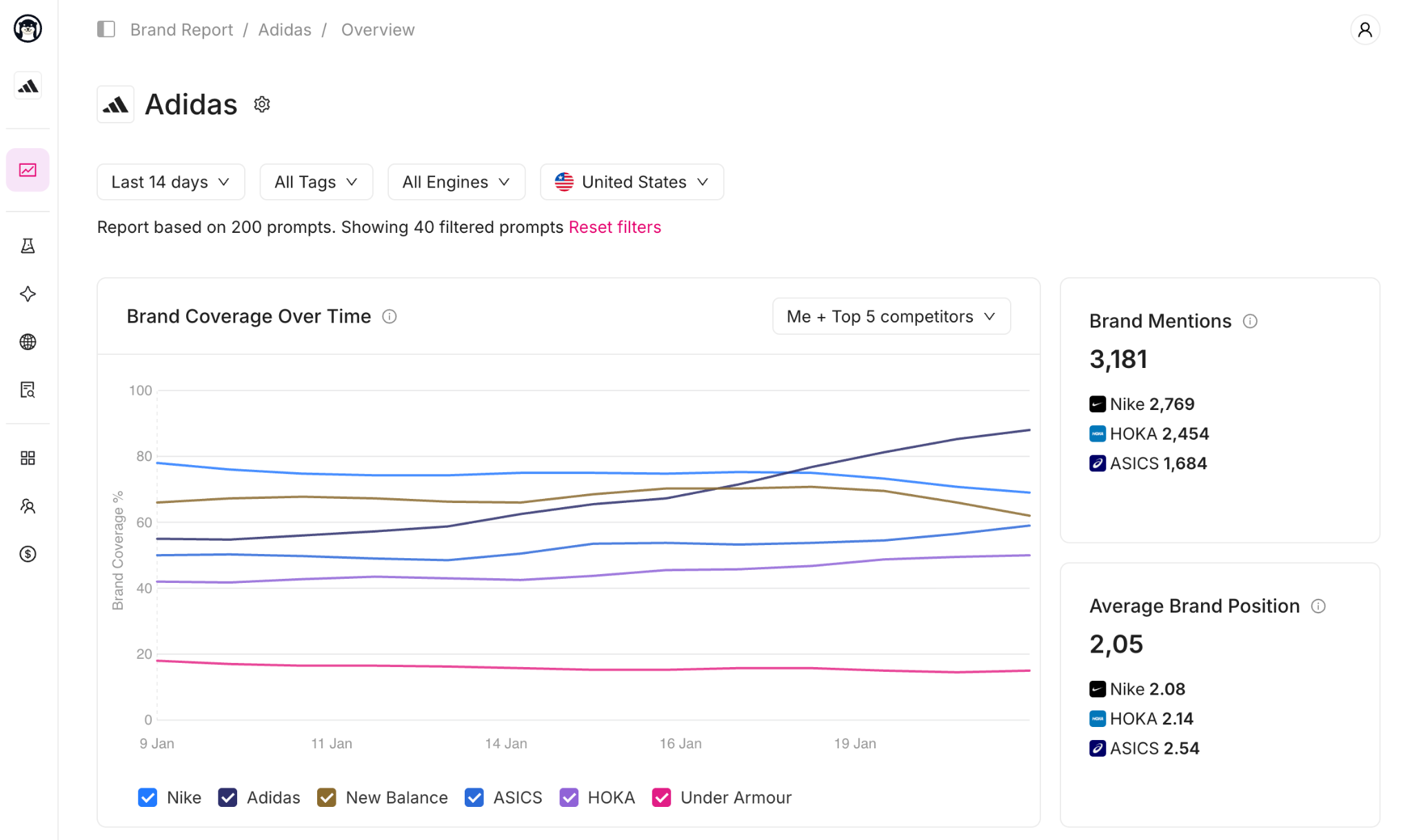
Otterly AI is one of the more accessible entry points for AI search monitoring. It tracks prompts, brand mentions, citations, and AI Overview visibility with a relatively simple onboarding path.
Its value is strongest for teams that want to start measuring AI visibility quickly. The main limitation is scale: prompt caps, model add-ons, and refresh frequency can become important once the program grows.
Best for: small teams, freelancers, and agencies testing AI visibility tracking before committing to a larger platform.
Peec AI
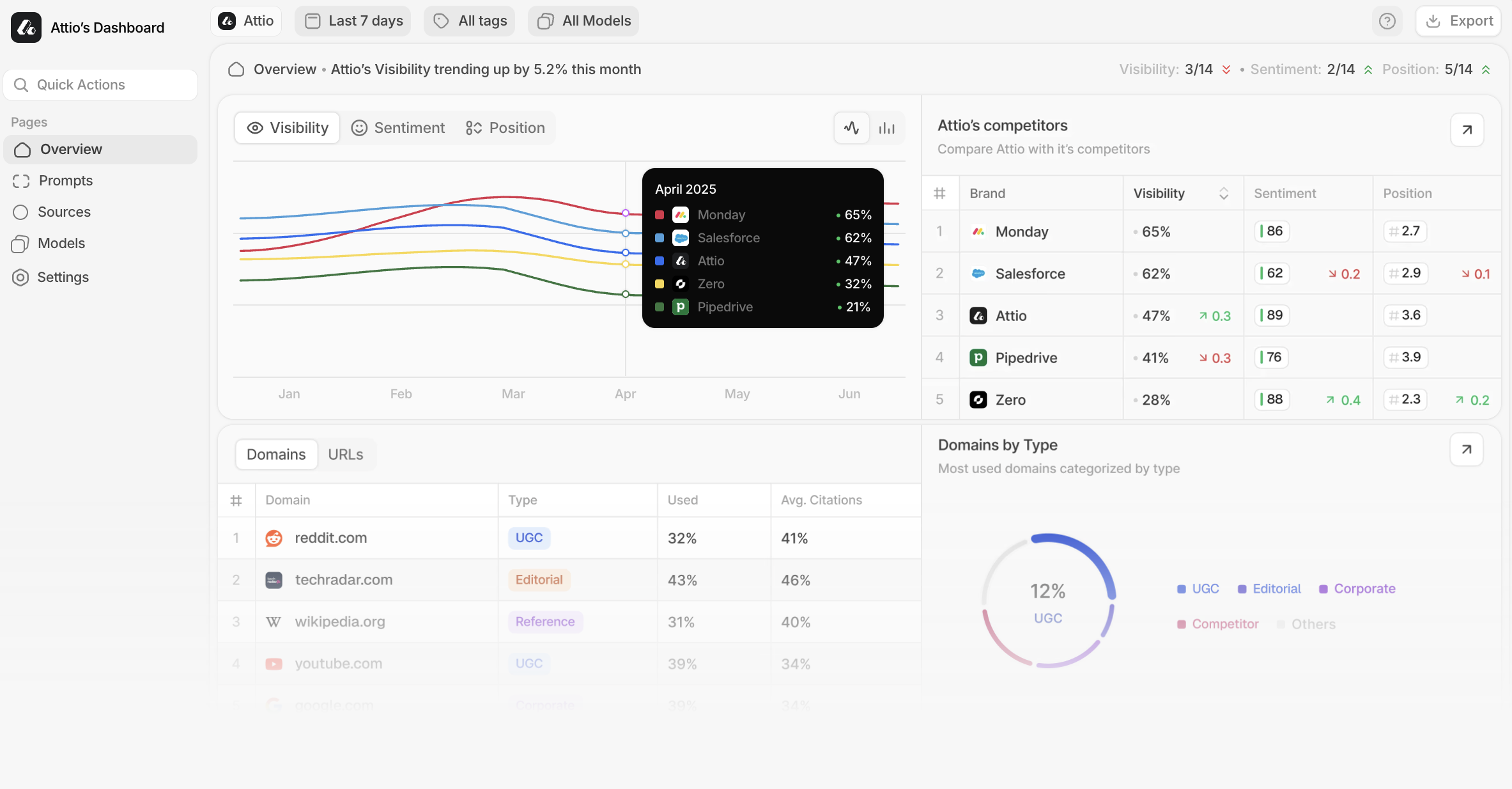
Peec AI is a focused monitoring platform for prompt-level visibility, brand position, competitor comparisons, and source analysis. Its strength is clarity: teams can track the same questions over time and see visibility shifts by engine, topic, or competitor.
It is especially useful for agencies or marketing teams that want recurring reports and clean visibility data. Before choosing it, check which AI engines are included in the plan and which require add-ons.
Best for: prompt tracking, competitor visibility, and regular AI search reporting.
Profound
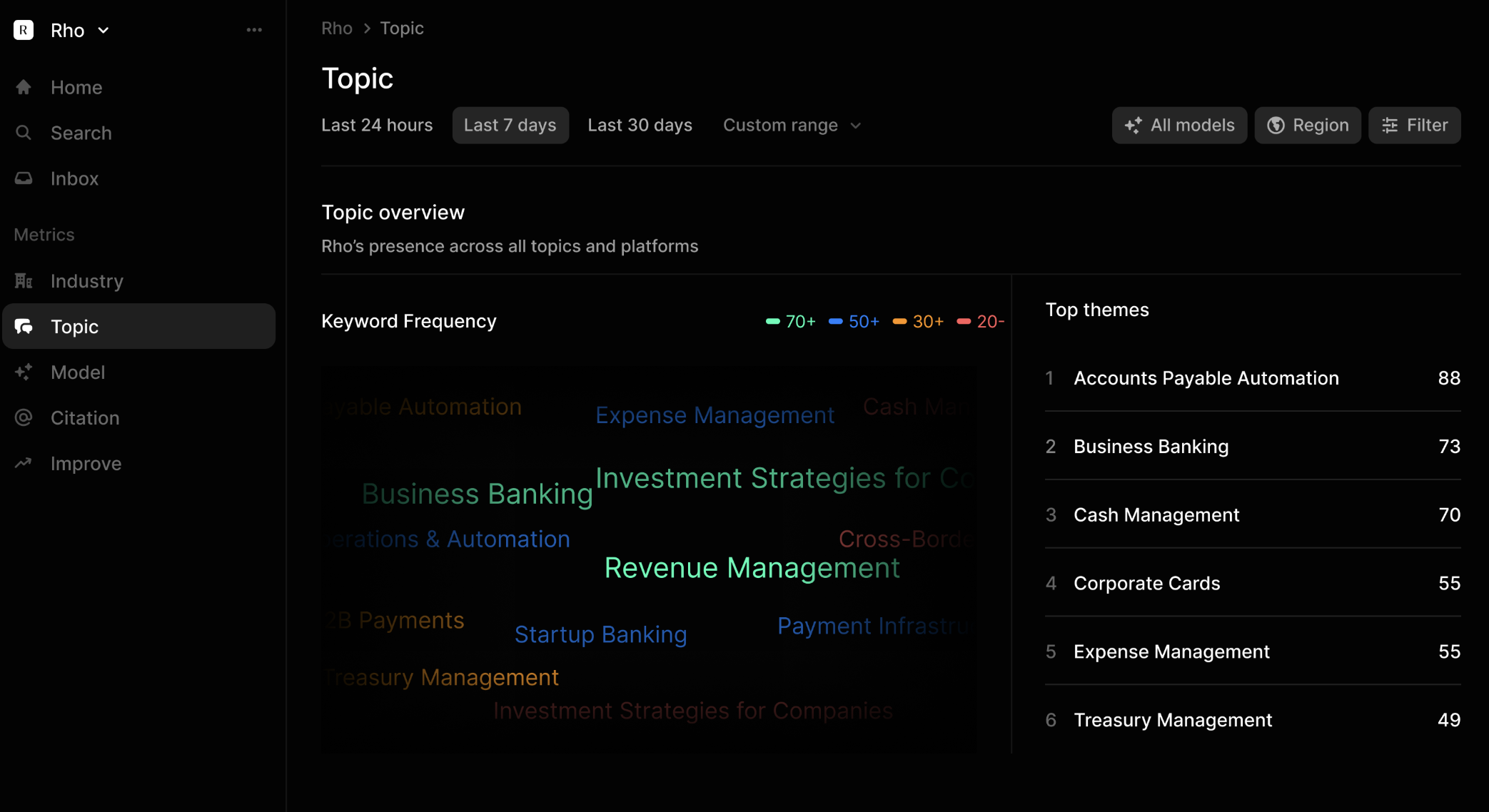
Profound is an enterprise-grade platform for answer-engine intelligence. It is a strong fit when a company needs detailed prompt monitoring, citation analysis, sentiment, competitive benchmarks, and deeper visibility into how AI systems interpret a brand.
The tradeoff is complexity. Teams with analysts, BI workflows, and larger budgets may value the depth. Smaller teams may find that they need a lighter tool before they need enterprise-grade data infrastructure.
Best for: enterprise brands and large marketing teams that need deep AI visibility analytics and can act on complex data.
Scrunch AI
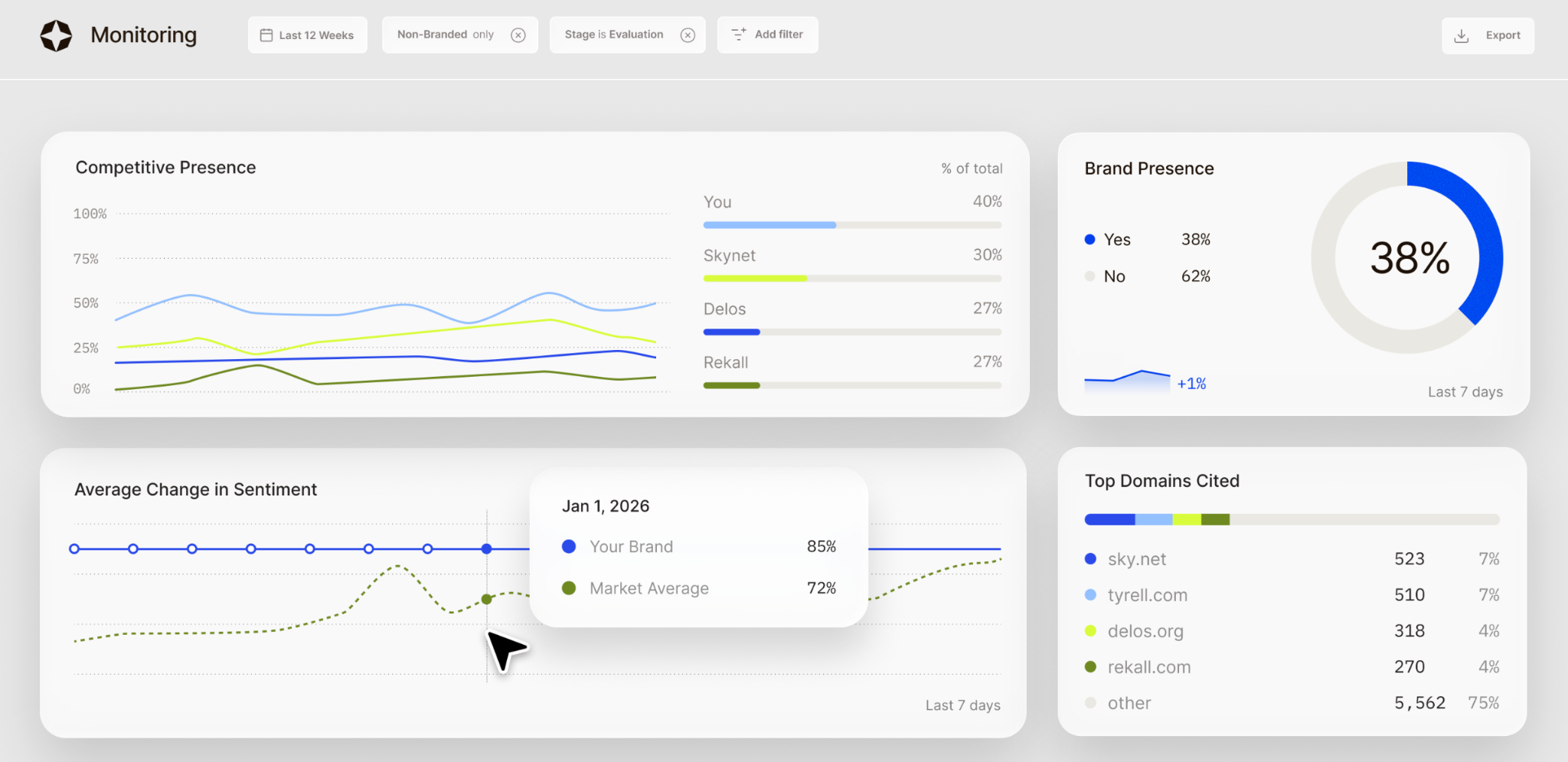
Scrunch AI is more infrastructure-oriented than many monitoring tools. It looks at how AI agents and crawlers understand brand information, which can be valuable for enterprises that need governance, accuracy, and technical visibility.
It is more than a small team usually needs, but it is worth considering when AI search is tied to brand risk, complex product data, or enterprise content systems.
Best for: enterprise teams focused on agent readiness, brand accuracy, and AI crawler behavior.
Semrush One
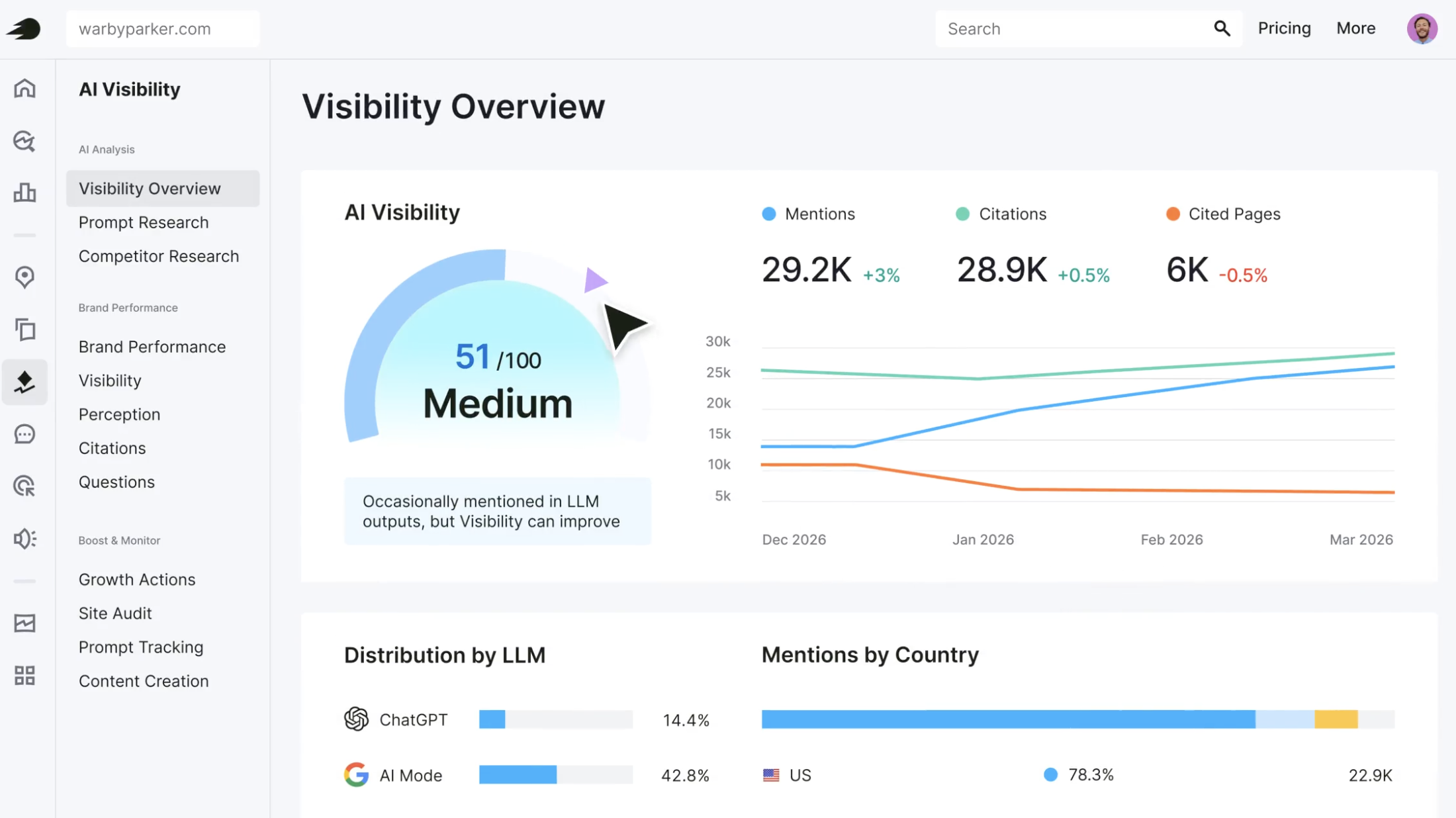
Semrush One brings AI visibility into a familiar SEO environment. That matters for teams already using Semrush for keyword research, site audits, competitive analysis, and reporting.
The advantage is workflow consolidation. The limitation is that a broad SEO suite may not offer the same depth as a purpose-built AI visibility platform. It is a sensible first test for teams already committed to Semrush.
Best for: SEO teams that want AI visibility data next to their existing organic search workflow.
Writesonic AI Visibility Tracker
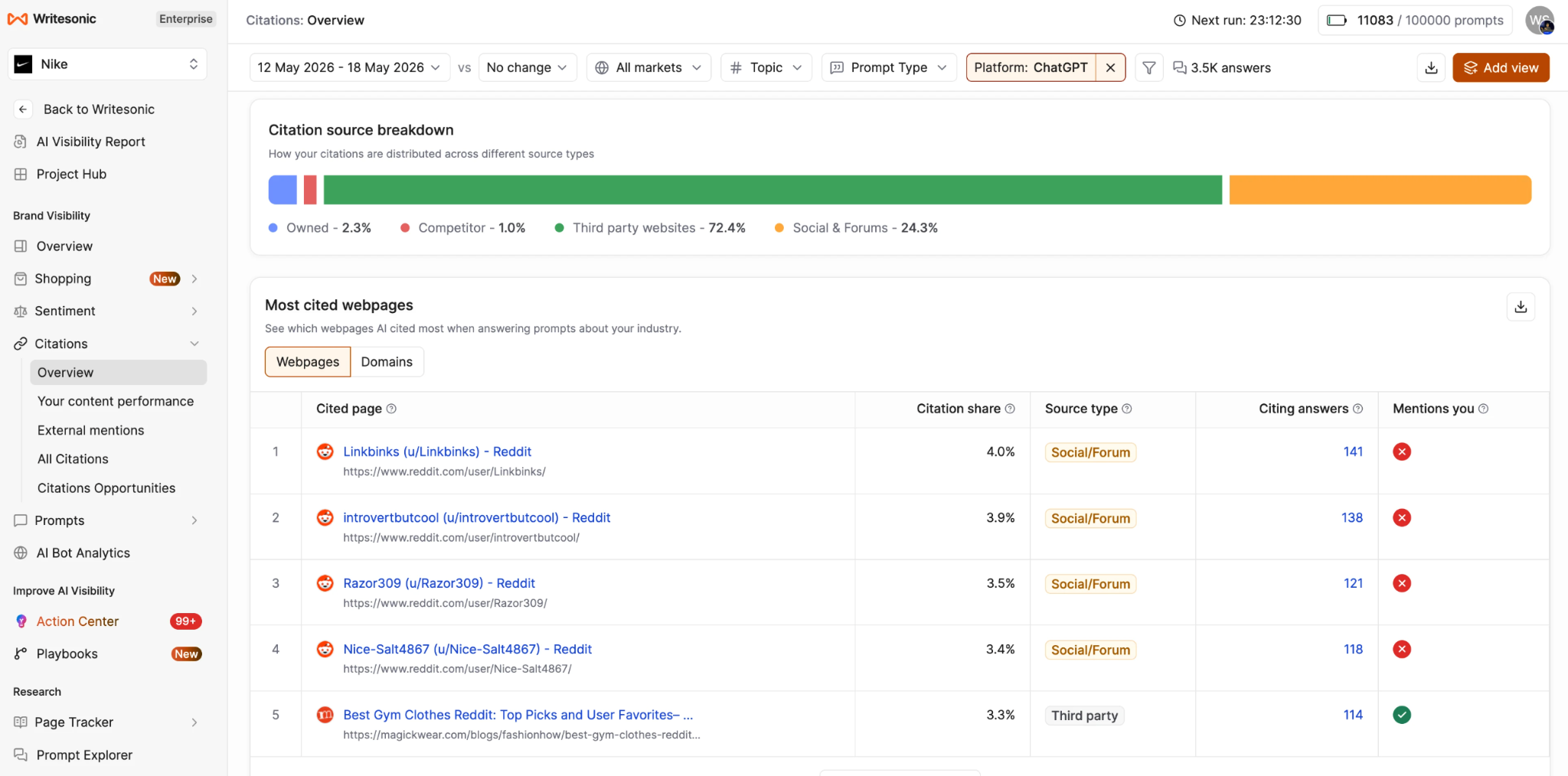
Writesonic AI Visibility Tracker is strongest when monitoring needs to turn into content, citation, and technical work quickly. It is built for teams that want recommendations tied to pages, prompts, and new content opportunities rather than a passive reporting view.
The fit is best when content production and AI visibility are owned by the same team. If the content workflow already lives elsewhere, a quieter analytics tool may be easier to adopt.
Best for: content teams that want AI visibility insights connected to production and optimization work.
The category is moving quickly. Pricing, engine coverage, and data collection methods change often, so confirm the current plan details before buying any AI visibility software.
Run a useful trial before you commit
Define your questions
Use a small, repeatable set of customer questions across product discovery, comparisons, and purchase intent. Keep the same markets and competitors in each trial.
Inspect the evidence
Open the answers behind the scores. Check a missing mention, a competitor recommendation, and a cited page. Note what the dashboard can explain and what it cannot.
Price your actual workload
Confirm question limits, update frequency, engines, markets, users, and exports. Compare the complete plan your team needs, including add-ons.
FAQ
What are AI visibility tools?
AI visibility tools track how brands appear in AI-generated answers, including mentions, citations, sentiment, and competitor share of voice.
How are AI visibility tools different from SEO tools?
SEO tools mainly track rankings and organic search signals. AI visibility tools track whether answer engines include, cite, or recommend a brand inside generated responses.
Which AI engines should I track?
Start with the AI platforms your customers use. Check ChatGPT, Google AI Overviews, Perplexity, and other relevant surfaces against your market and budget. Engine support varies by tool and plan.
How this guide is put together
This guide summarizes public vendor information reviewed September 6, 2026. The recommendations are editorial judgments about use case and workflow, not results from a hands-on benchmark. Product links lead to official sites; category and comparison pages provide additional source context. Confirm current features and pricing before buying.
What makes the data useful?
A visibility score is only a starting point. Look for evidence you can inspect and results you can use in your next content or reporting decision.
- The right coverage. Choose the AI platforms, countries, and languages your customers use. Confirm the exact search surface each tool measures.
- Answers you can inspect. You should be able to connect a result to its question, collection date, brand mentions, and source URLs.
- Clear metric definitions. Check how mentions, citations, sentiment, and share of voice are counted. Compare competitors using the same questions.
- A workable next step. Evaluate whether the findings help your team prioritize pages, investigate missing mentions, and explain changes over time.
Find the right starting point
Best ChatGPT Visibility Tools and Rank Trackers
Choosing a tracker for ChatGPT starts with the answers your customers encounter. Compare the collection method, retained evidence and recurring workload before considering a headline visibility score.
Best Free AI Visibility Tools and Checks
A free check is useful for a first sample; ongoing monitoring requires a repeatable schedule and stored evidence. Choose between a limited vendor checker, manual sampling and a time-limited product trial.
Best AI Visibility Tools for Agencies
An agency needs to manage several client datasets without mixing brands, permissions or reporting periods. Evaluate the cost and reporting workload at the size of your actual client portfolio.
Affordable AI Visibility Tools: Compare the Real Cost
An affordable tracker covers a useful monitoring workload at a sustainable total cost. Compare prompts, engine add-ons, repeated runs and client accounts together rather than sorting only by the starting price.
Profound vs Searcherries: Features, Pricing and Fit
Compare Profound and Searcherries on platform scope, monitoring evidence and total plan requirements for your team.
Best AI Brand Mention Tracking Tools
A brand mention can matter even when no link appears. Evaluate how tools recognize names and aliases, resolve ambiguous entities and distinguish a passing reference from a recommendation.
Browse tool categories · Compare Searcherries with other platforms · See every page